As New Bedford’s dynamic seasons transition from winter’s chill to summer’s heat, your property’s fence endures an array of environmental tests. To ensure your fence remains a stalwart guardian of your landscape, a comprehensive maintenance strategy is crucial. This article delineates seasonal recommendations tailored for New Bedford’s properties, focusing on the assessment and care of various materials and types, from wood to vinyl, in response to the region’s distinct weather patterns. From spring’s rebirth to autumn’s harvest, and through the frosty grip of winter, follow these guidelines to preserve and protect your fence, safeguarding its longevity and beauty throughout the year.
- Assessing Fence Materials and Types Suited for New Bedford's Climate
- Spring Maintenance: Cleaning, Inspection, and Repairs
- Summer Upkeep: Painting, Staining, and Preventative Measures
- Autumn Preparations: Trimming Back Vegetation and Securing Fence Integrity
Assessing Fence Materials and Types Suited for New Bedford's Climate
When maintaining fences in New Bedford, Massachusetts, it’s crucial to consider the local climate and environmental factors that can affect different fence materials and types. The region experiences a mix of humid summers, mild falls, cold winters, and occasional storms from the Atlantic Ocean. These conditions necessitate a fence material that is both durable and weather-resistant. For instance, pressure-treated wood is a popular choice due to its resistance to rot and pests, which are common issues in the moist climate. It’s also treatable for longevity and can be finished with a stain or paint suitable for the maritime environment.
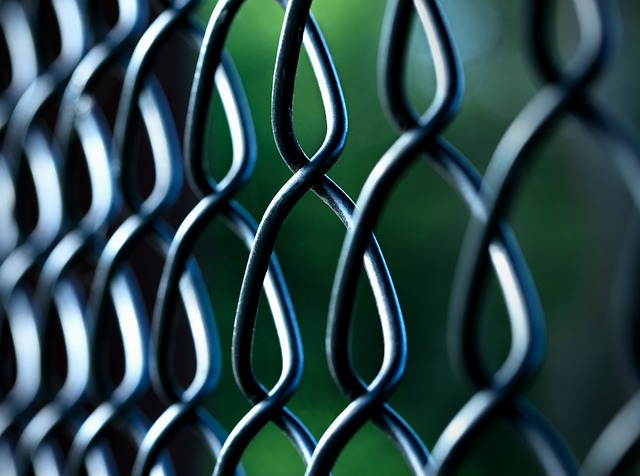
Vinyl fencing is another option that stands up well to New Bedford’s weather patterns. It offers low maintenance and is resistant to rust, rot, and corrosion. Vinyl fences come in various styles to match both contemporary and traditional home aesthetics. For those who prefer the natural look of wood but desire lower maintenance, composite materials are a good compromise. These are made from a mix of wood fibers and recycled plastics, resulting in a product that is both attractive and resistant to the elements. Metal fencing, such as iron or aluminum, can also be a suitable choice if properly maintained, with the added benefit of long-lasting durability. It’s important to regularly inspect and treat metal fences to prevent rust and damage from winter ice and summer humidity. Finally, chain link fencing is often used for its strength and affordability, though it may require more frequent maintenance to keep it looking clean and functional. In any case, the choice of fence type should be made with the understanding that regular upkeep will be necessary to protect the investment and maintain the aesthetic appeal of the property in New Bedford’s unique climate.
Spring Maintenance: Cleaning, Inspection, and Repairs
As winter recedes and spring emerges in New Bedford, Massachusetts, it’s imperative to attend to fence maintenance. This season presents a favorable environment for both flora and decay-related issues. Homeowners should start by clearing their fences of accumulated debris such as leaves, twigs, and any residual snow or ice that may have damaged the structure over the winter months. A thorough cleaning with a pressure washer or a soft brush can restore visual appeal while also revealing any underlying damage or areas in need of attention.
Following the cleanup, a meticulous inspection is in order. Look for signs of wear and tear, such as rust or corrosion on metal fences, or splits, rot, or loose nails on wooden varieties. Check for any loose or bent pickets, posts, or rails that may have been weakened by frost heave or the weight of ice and snow. It’s also advisable to assess the fence’s alignment; straightening any sections that have shifted can prevent future damage. Addressing these issues promptly not only ensures the longevity of the fence but also maintains the safety and privacy it provides. Any necessary repairs should be carried out with care, using appropriate materials and techniques to match the existing structure for a cohesive and durable finish.
Summer Upkeep: Painting, Staining, and Preventative Measures
During the summer months, maintaining your fence is crucial to ensure its longevity and aesthetic appeal in New Bedford’s humid maritime climate. Regular upkeep during this season can prevent more extensive repairs later on. Start by thoroughly cleaning your fence to remove any algae, moss, or dirt that has accumulated over the winter. Use a pressure washer for vinyl or chain link fences, and a soft brush for wood fences, to restore their original appearance without causing damage.
Once cleaned, apply a fresh coat of paint or stain to protect your fence from the harsh summer sun and salty sea air that are prevalent in New Bedford. Paint provides a protective barrier against UV rays and moisture, while staining enhances the natural grain of wood fences and offers some protection against decay and insects. For wooden fences, opt for a semi-transparent or solid stain to provide the best shield against the elements. It’s advisable to use products specifically designed for the New England climate, as they are formulated to withstand the unique challenges faced by local properties. Additionally, inspect your fence for any signs of wear, such as splintering, rusting hinges, or loose nails, and address these issues promptly to maintain the integrity and functionality of your fence throughout the season.
Autumn Preparations: Trimming Back Vegetation and Securing Fence Integrity
As the leaves begin to turn shades of amber and red, New Bedford, Massachusetts property owners should prioritize autumn preparations for their fences. This season is particularly critical for maintenance as harsh winter conditions loom on the horizon. One key task is trimming back any overgrown vegetation that may have encroached upon the fence throughout the summer months. Overgrowth can exert undue pressure on the structure, potentially leading to structural weakness or even collapse under the weight of snow and ice. Carefully pruning branches and vines not only preserves the aesthetic appeal of the fence but also contributes to its longevity by preventing rot and decay where foliage may have been trapping moisture against the wood or metal surfaces.
In parallel with trimming, it’s crucial to inspect and secure the integrity of the fence. This involves checking for any loose panels, rust spots on metal fences, or signs of wear that could compromise the fence’s ability to withstand winter storms. Repairing these issues promptly can prevent more extensive damage that might require costly repairs in the spring. For wooden fences, this is an opportune time to reapply a protective stain or sealant to guard against moisture intrusion and wood rot. Similarly, metal fences should be treated with a rust-inhibitive paint or coating to protect them from the corrosive effects of salt and snow. By addressing these maintenance tasks in autumn, New Bedford residents can ensure their fences stand strong through the winter and remain a reliable boundary for their properties.